
ONE PAGE, 55 MARKS? CGPSC 2003 CASE ERUPTS AGAIN AFTER 23 YEARS; 147 OFFICERS UNDER FRESH SPOTLIGHT
EOW steps up probe into alleged irregularities; chargesheet against 5 former officials likely, 147 officers selected in the controversial recruitment; several later inducted into IAS, putting their career trajectory under fresh scrutiny
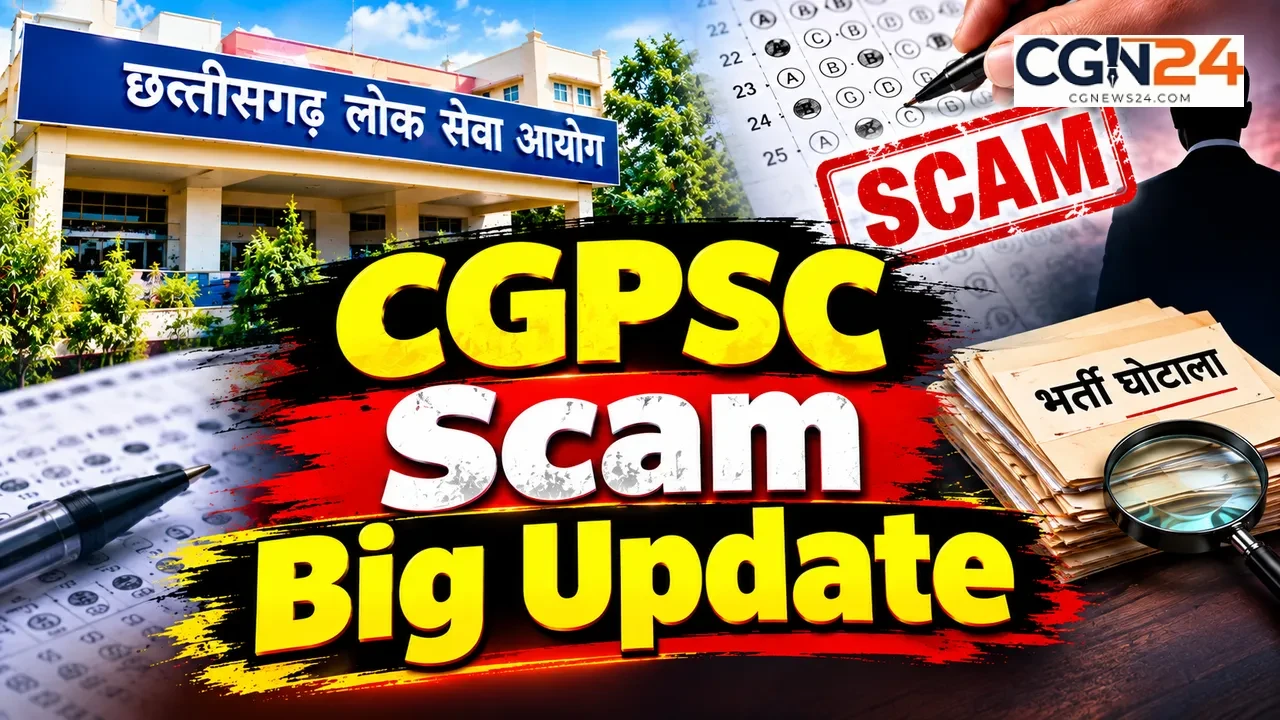
RAIPUR: A recruitment controversy that has remained alive for nearly 23 years is back in the spotlight. The 2003 Chhattisgarh Public Service Commission (CGPSC) recruitment case has reportedly been reopened by the Economic Offences Wing (EOW), with the agency examining alleged irregularities in the examination and evaluation process.
The development has sent ripples through the administrative establishment as the recruitment process had resulted in the selection of 147 officers, several of whom went on to occupy senior positions in the state administration. Some of the selected officers were subsequently inducted into the IAS, adding a new dimension to the decades-old controversy.
OLD FILE, FRESH PROBE
The case dates back to the CGPSC recruitment examination conducted in 2003. Serious questions had been raised over the evaluation of answer sheets, scaling of marks and the preparation of the final merit list.
The allegations centred on claims that marks were allegedly manipulated during the evaluation process, with certain candidates receiving unusually high scores.
One of the instances cited during the controversy involved an answer sheet where a candidate was allegedly awarded 55 marks out of 60 despite writing only a page. Such alleged discrepancies had raised questions over the fairness and transparency of the evaluation process.
5 FORMER OFFICIALS UNDER THE SCANNER
The latest development is significant as the EOW is reportedly examining the role of officials who were associated with the recruitment process at the time.

According to information emerging in connection with the case, action against five former officials, including a possible chargesheet, is being prepared.
Investigators are understood to be looking into examination records, evaluation procedures, scaling of marks and the role of officials involved in the process.
147 OFFICERS, SEVERAL IAS INDUCTION
What makes the old case particularly sensitive is the subsequent career progression of the selected candidates.
As many as 147 officers were selected through the 2003 recruitment process. Several of them later rose to senior administrative positions, while some were subsequently inducted into the IAS.
The fresh investigation has therefore triggered questions over whether any established irregularity in the original recruitment process could have implications for subsequent service-related decisions.
However, mere allegations or investigation do not establish wrongdoing. Any action against serving or retired officers would depend on the findings of the probe and the outcome of the judicial process.
THE LEGAL BATTLE
The recruitment controversy eventually reached the courts, with candidates challenging aspects of the examination and evaluation process.
Questions relating to scaling of marks and evaluation of answer sheets came under judicial scrutiny. Directions for re-scaling in certain optional subjects and re-examination of answer sheets were also part of the long-running legal proceedings. The dispute continued for years, leaving the selection of the 2003 batch under a prolonged legal cloud.
WHY THE CASE MATTERS NOW
The reopening of the investigation comes at a time when the CGPSC has already been facing intense scrutiny over the separate 2021 recruitment controversy.
The two cases are distinct, but the fresh movement in the 2003 case has once again brought the commission’s examination and recruitment system under the spotlight.
The crucial question now is whether the EOW investigation will be able to establish the alleged manipulation with documentary evidence—and whether the probe will finally fix responsibility for irregularities alleged to have taken place more than two decades ago.
23 YEARS LATER, THE QUESTIONS REMAIN
Who benefited from the alleged manipulation? Who was responsible for the evaluation process? And, most importantly, what happens if the investigation establishes that the original selection process was compromised? For now, the answers remain behind a 23-year-old file.
But with the EOW back on the trail, five former officials reportedly facing possible chargesheet action and several selected officers having subsequently entered the IAS, the CGPSC-2003 controversy could be heading towards another major legal and administrative chapter.


